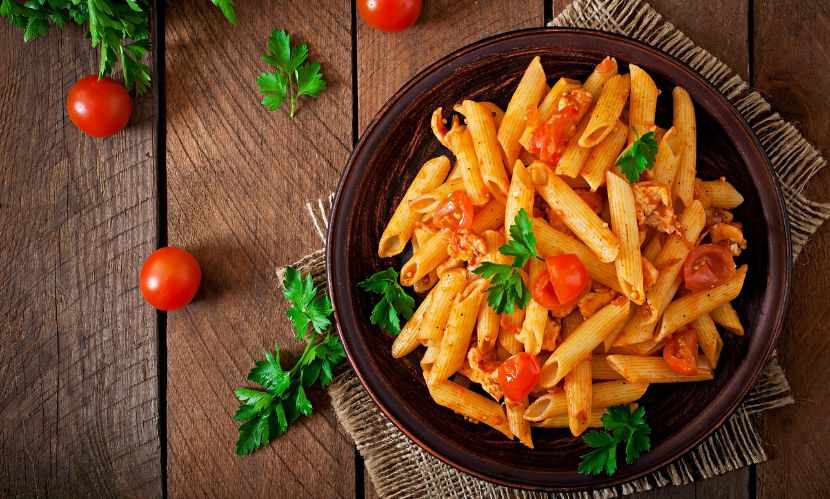
The Indian pasta market has grown rapidly in recent years, driven by urbanization, changing consumer lifestyles, and increasing acceptance of global cuisines. Valued at approximately USD 615.05 million in 2024, the market is expected to expand at a CAGR of 16.20% from 2025 to 2034, reaching nearly USD 2760.40 million by 2034. With pasta now firmly established as a popular ready-to-cook meal across India, the industry is witnessing a surge in demand across segments such as dry pasta, instant pasta, and fresh pasta.
Indian Pasta Market Overview
The Indian pasta market outlook remains highly optimistic. Rapid adoption of convenience foods, coupled with the growing influence of Western dining habits, has led to pasta becoming a staple in many Indian households. The rising middle-class population, exposure to international cuisines, and the proliferation of quick-service restaurants (QSRs) have also accelerated pasta consumption.
Additionally, pasta is no longer confined to urban centers like Delhi, Mumbai, and Bangalore. Tier-II and Tier-III cities are also witnessing rising demand due to the availability of affordable products, innovative flavors, and expanded retail distribution. By 2034, India is expected to emerge as one of the fastest-growing pasta markets in Asia-Pacific.
Indian Pasta Market Trends
Several important trends in the Indian pasta market are shaping its growth trajectory:
Shift Towards Healthy Pasta Options: Consumers are becoming increasingly health-conscious, fueling demand for whole wheat, multigrain, and gluten-free pasta. Brands are introducing high-protein and fiber-rich pasta made from chickpea, quinoa, and millet.
Instant Pasta Gaining Popularity: Instant pasta variants, especially those offered by Nestlé and ITC, have become popular among youth and working professionals due to their convenience and affordability.
Fusion Cuisine and Local Flavors: Indian consumers enjoy experimenting with food. Pasta dishes infused with local spices and flavors—such as masala pasta, tandoori pasta, and paneer-based sauces—are trending in homes and restaurants alike.
Expansion of E-Retailing: Online grocery platforms are significantly boosting pasta sales. Consumers increasingly prefer purchasing pasta via e-commerce due to discount offers, wider variety, and doorstep delivery.
View the Complete Table of Contents in the Free Sample – https://www.expertmarketresearch.com/reports/indian-pasta-market/requestsample
Drivers of Growth
The Indian pasta market growth is being fueled by several factors:
Urbanization and Busy Lifestyles: With more dual-income households and hectic schedules, ready-to-cook foods like pasta are becoming essential.
Rising Disposable Income: A growing middle-class population with higher purchasing power is investing in premium pasta varieties and imported brands.
Influence of Western Culture: Global exposure through travel, media, and international food chains has normalized pasta consumption in Indian households.
Restaurant and Café Culture: QSRs, Italian restaurants, and food delivery services are expanding pasta’s reach, making it a popular dine-in and delivery item.
Product Innovation: Companies are innovating in flavors, shapes, and nutritional profiles, catering to varied age groups and dietary preferences.
Technology and Advancement
Technological advancements in the Indian pasta market are contributing to improved production, packaging, and distribution:
Automation in Manufacturing: Pasta production facilities are adopting advanced extrusion technology to maintain quality and consistency.
Fortification and Nutritional Enhancements: Companies are fortifying pasta with vitamins, minerals, and proteins to appeal to health-conscious consumers.
Innovative Packaging: Modern packaging ensures longer shelf life, eco-friendliness, and consumer convenience.
Digital Retail Expansion: Technology-driven platforms, mobile apps, and digital payment options are simplifying pasta retailing across India.
Challenges and Opportunities
While the Indian pasta market is growing at a robust pace, it faces certain challenges:
Competition from Traditional Foods: Indian households still prioritize traditional staples like rice and wheat-based dishes, limiting pasta’s penetration in rural areas.
Price Sensitivity: Imported pasta brands often face resistance in price-sensitive markets, where affordability drives consumer choice.
Health Concerns: Refined flour-based pasta continues to face scrutiny, pushing manufacturers to diversify into healthier alternatives.
However, these challenges also present opportunities:
Rural Market Penetration: As awareness grows, rural and semi-urban areas represent a large untapped consumer base.
Premiumization: Rising disposable incomes offer scope for premium organic and gourmet pasta products.
Foodservice Expansion: With cafés, cloud kitchens, and restaurants expanding rapidly, pasta-based dishes will see higher demand.
Indian Pasta Market Segmentation
Breakup by Type
Dry Pasta: Dominates the market due to its longer shelf life and affordability.
Instant Pasta: Fastest-growing category, especially among college students and working professionals.
Fresh Pasta: Smaller segment but growing in urban fine-dining restaurants and premium retail stores.
Breakup by Raw Material
Semolina: Most popular raw material for premium pasta products.
Refined Flour: Widely used for instant and affordable pasta varieties.
Durum Wheat: Preferred for high-quality pasta with better texture and taste.
Others: Includes multigrain, chickpea, millet, and quinoa-based pasta options.
Breakup by Distribution Channel
Institutional Sales: Significant demand from hotels, restaurants, and caterers.
Convenience Stores: Widely available in local kirana stores across India.
Hypermarkets/Supermarkets: Key retail points for branded pasta products.
E-Retailing: Fastest-growing channel, boosted by online platforms and food delivery apps.
Breakup by Cuisine
White Sauce Pasta: Popular among children and families.
Red Sauce Pasta: Strong demand from urban youth and restaurants.
Mix Sauce Pasta: A trending fusion choice in QSRs and cafés.
Breakup by Region
Uttar Pradesh: One of the largest regional markets with strong urban demand.
Delhi: High per-capita consumption due to international dining culture.
Maharashtra: Mumbai and Pune drive demand through restaurants and retail.
Tamil Nadu: Strong acceptance of instant and fusion pasta.
Karnataka: Bengaluru’s cosmopolitan population is a key growth driver.
Gujarat: Increasing penetration in both urban and semi-urban markets.
Key Companies in the Indian Pasta Market
Major players shaping the Indian pasta market include:
Nestlé (Maggi Pasta)
ITC Limited (Sunfeast Yippee Pasta)
Bambino
MTR Foods Pvt. Ltd.
Other regional and international pasta brands
These companies are focusing on innovation, distribution expansion, and competitive pricing to capture a larger market share.
FAQs
What is the current size of the Indian pasta market?
The Indian pasta market reached around USD 615.05 million in 2024.
What is the growth forecast for the Indian pasta market?
The market is projected to grow at a CAGR of 16.20% between 2025 and 2034, reaching nearly USD 2760.40 million by 2034.
Which type of pasta is most popular in India?
Dry pasta leads the market, followed by instant pasta, which is growing rapidly due to convenience and affordability.
What are the major raw materials used in Indian pasta production?
Key raw materials include semolina, refined flour, durum wheat, and multigrain or millet blends.
Which companies dominate the Indian pasta market?
Nestlé, ITC Limited, Bambino, and MTR Foods are some of the leading pasta brands in India.
Media Contact:
Company Name: Claight Corporation
Email: sales@expertmarketresearch.com
Toll Free Number: +1-415-325-5166 | +44-702-402-5790
Address: 30 North Gould Street, Sheridan, WY 82801, USA
Website: https://www.expertmarketresearch.com






Write a comment ...